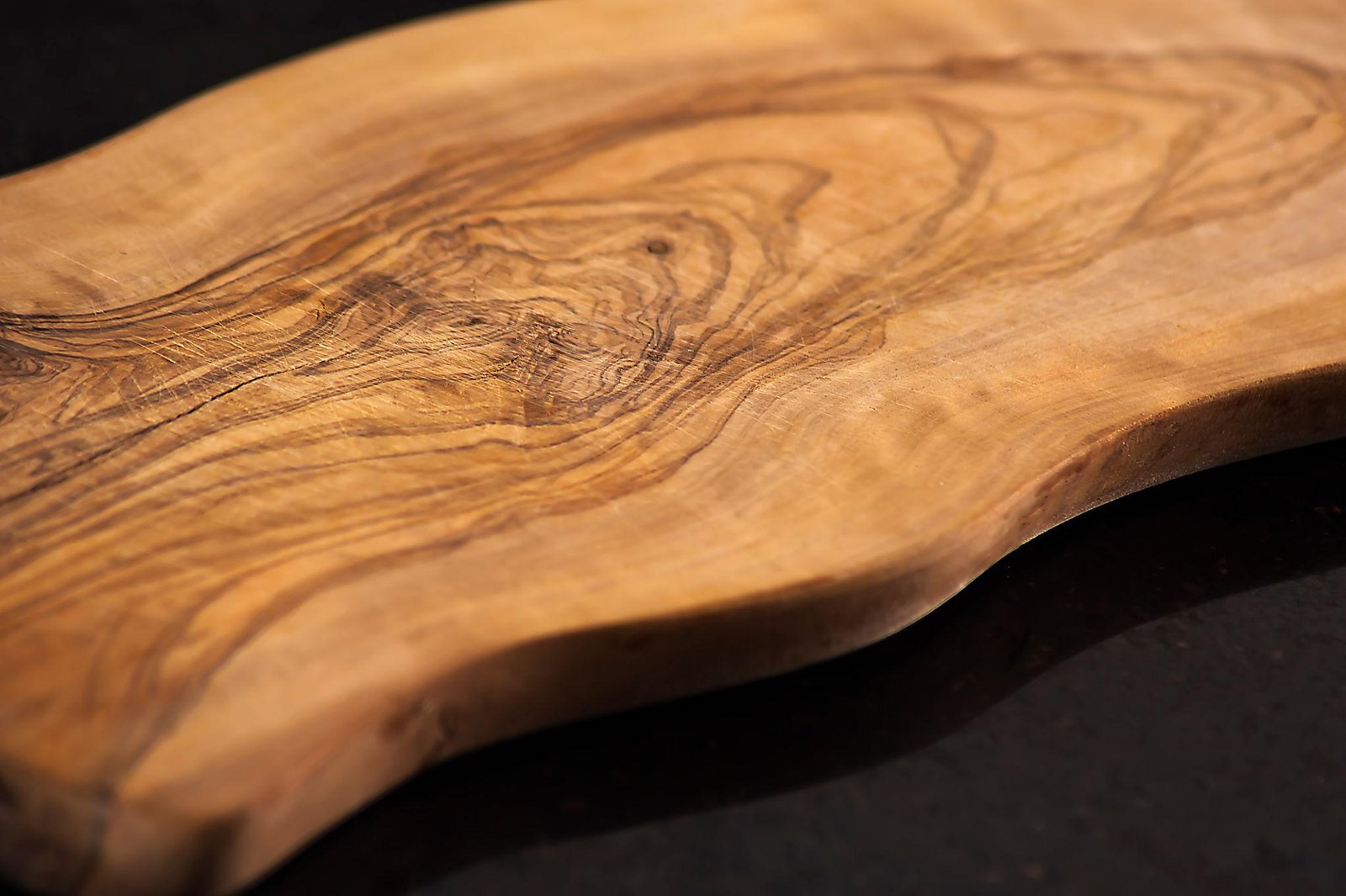
No two pieces of wood are exactly alike. Every line, curve, and variation in its grain is shaped naturally over time, creating patterns that make each piece unique. At INPOREALCRAFT, these differences are not something we try to hide—they are part of what gives our work its character.
Wood grain tells a quiet story about the material itself. Differences in color, texture, knots, and natural markings can appear even between pieces taken from the same type of wood. These characteristics are what make working with natural materials different from working with materials produced to look perfectly identical.
When creating a piece, we pay attention to how the grain flows across the surface. The direction and pattern of the wood can influence how a design looks once it has been shaped, sanded, and finished. Sometimes a simple form becomes more expressive simply because of the natural pattern running through it.
The finishing process brings another dimension to the grain. As the surface becomes smoother and the finish is applied, patterns that were once subtle can become more visible. The warmth of the wood begins to emerge, revealing details that make the finished piece feel distinctly its own.
This is also why handcrafted wooden products may carry slight variations in tone, pattern, or texture. Two products made with the same design and dimensions can still have their own visual identity. Rather than seeing these differences as imperfections, we see them as evidence of the material’s natural origin.
For us, respecting the grain means allowing the wood to remain part of the design. Craftsmanship is not always about forcing a material into perfect uniformity. Sometimes, it is about understanding what is already there and finding the best way to bring it forward.
At INPOREALCRAFT, every grain becomes part of the finished piece—a natural signature that cannot be completely repeated.
Published
September 08, 2026
View All Journals